2026 Guide to Restoring Your Digestive System: How to Take Care of the “Workers” in Your Gut
Let me be straight with you—I wasted years obsessed with biohacking, and I learned the hard way that most of the “gut health” advice floating around in 2020 was just noise.
Back in 2021, I spent $400 out of my own pocket on an “activated charcoal detox” for 14 days. The result? No mental clarity, no magical benefits—just feeling drained, headaches, and a dry, worn-out body. That’s when I realized all this “cleansing” stuff was just marketing designed to make your body feel like it needs fixing when it doesn’t.
By 2026, things have changed. Researchers at Cambridge University made it clear that the goal isn’t to kill “bad bacteria,” but to understand something called Functional Redundancy. Think of your gut like a tech startup—you need a full team. If one developer drops out, ten others can pick up the slack. That’s how you build a system that doesn’t collapse just because you ate a greasy pizza.
The Secret We Overlooked: The CAG-170 Community
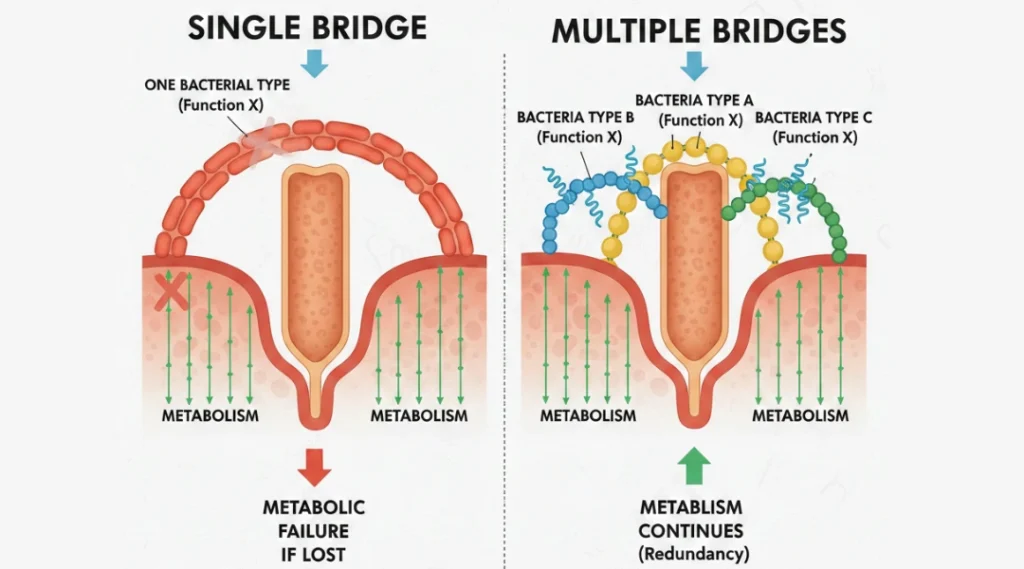
This group is basically the “guardians” of your gut—they run the whole system behind the scenes.
Personally, I used to go to the pharmacy, buy probiotic capsules full of Lactobacillus, and think I was doing something meaningful. That mistake cost me time and money with almost zero results. The real powerhouse community—CAG-170—is what actually produces vitamin B12 and feeds dozens of other beneficial species.
Here’s my honest take: we spent years focusing on “popular” bacteria just because they were heavily advertised, while completely ignoring this hidden gem that actually runs the digestive system in the background.
So what should you do now?
Tomorrow morning at 8:00, don’t rush to buy expensive supplements. Instead, focus on variety in your food—vegetables, fruits, and fiber—to support the helpers already inside you. Make a meal with fiber-rich foods like leeks or jicama. It takes five minutes, and your CAG-170 bacteria will thank you.
The “30 Plants a Week” Rule… But Smarter
By 2026, the idea is to eat “30 different plants per week.”
I know a guy named Adil who tried to be a hero and ate massive amounts of lentils, beans, and lettuce all at once. Poor guy spent the night bloated and burning because his gut wasn’t ready for that overload.
The real secret isn’t how much fiber you eat—it’s diversity. Different colors mean different polyphenols, and each one feeds a different type of bacteria.
Pro tip from experience:
When I used to struggle with gut irritation, I learned the hard way that suddenly flooding your system with fiber is basically digestive self-sabotage. Start with gentle, lightly fermentable vegetables like carrots, zucchini, and blueberries. Then gradually move toward heavier prebiotic foods like lentils and leeks.
Changing Your Gut Chemistry (Redox Potential)
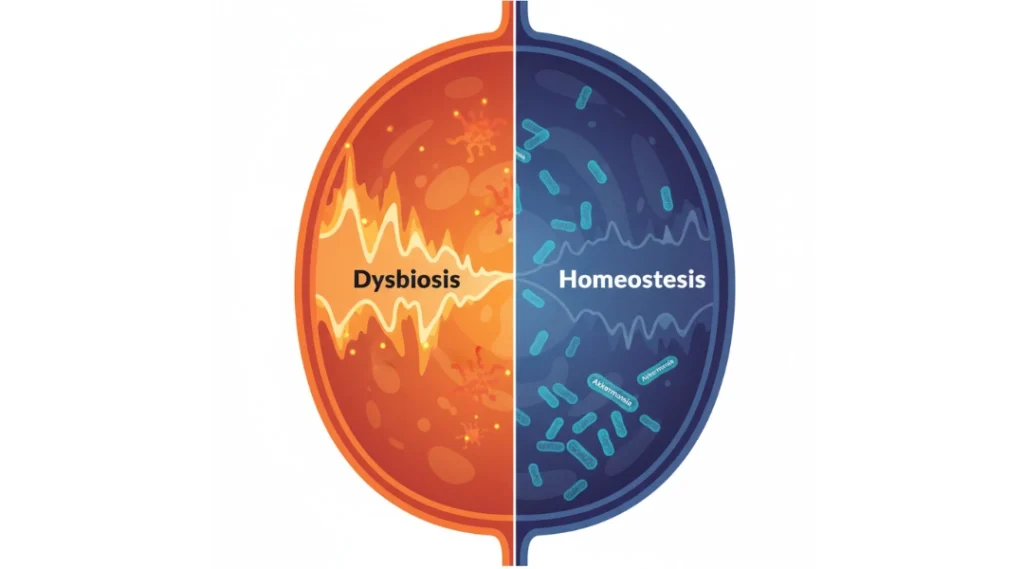
A lot of people think gut health is just about probiotics and everything will magically fix itself. Reality is more about chemistry.
An unhealthy gut often has too much oxygen floating around, which allows harmful bacteria to thrive.
I used to make a big mistake: eating food straight off the stove, always hot and fresh. When I changed my routine—cooking potatoes or rice, then cooling them in the fridge before eating—I noticed a huge improvement within 10 days.
That’s because this process creates resistant starch, which helps produce a compound called butyrate. Butyrate reduces excess oxygen and allows beneficial bacteria like Akkermansia to thrive.
Try this tomorrow:
Cook rice or potatoes, let them cool overnight in the fridge, then eat them the next day for lunch. You might feel digestive comfort within 15 minutes.
Repairing the “Wall” (Intestinal Barrier)
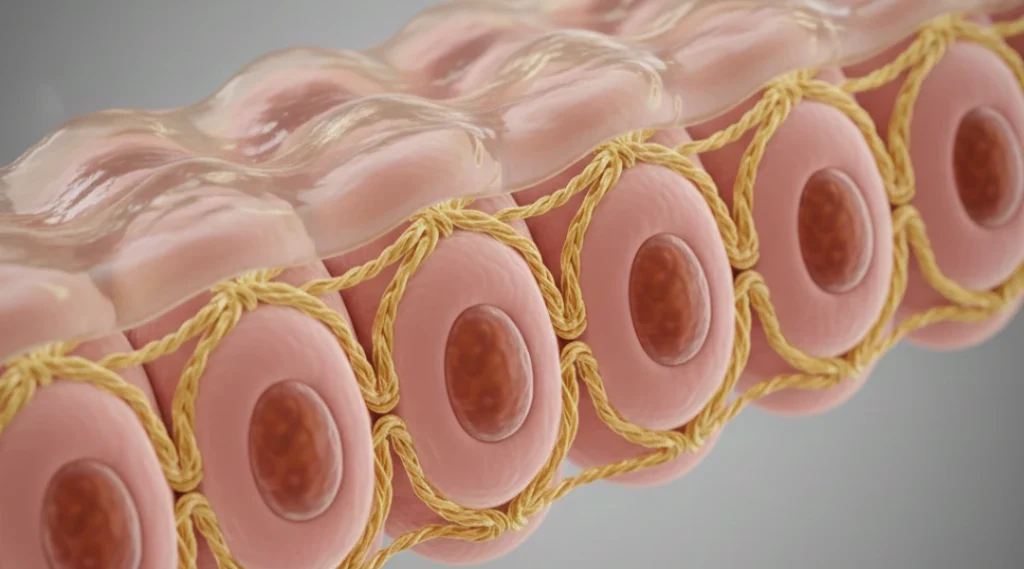
Think of your gut like a house—if the walls have cracks, unwanted stuff leaks into your bloodstream and causes inflammation.
In 2026, we focus more on structural support:
- Zinc Carnosine: Better than regular zinc because it stays longer in the gut and helps repair the lining directly.
- L-Glutamine: Basically the fuel source for intestinal cells.
Your Body’s Cleaning Cycle (The MMC)
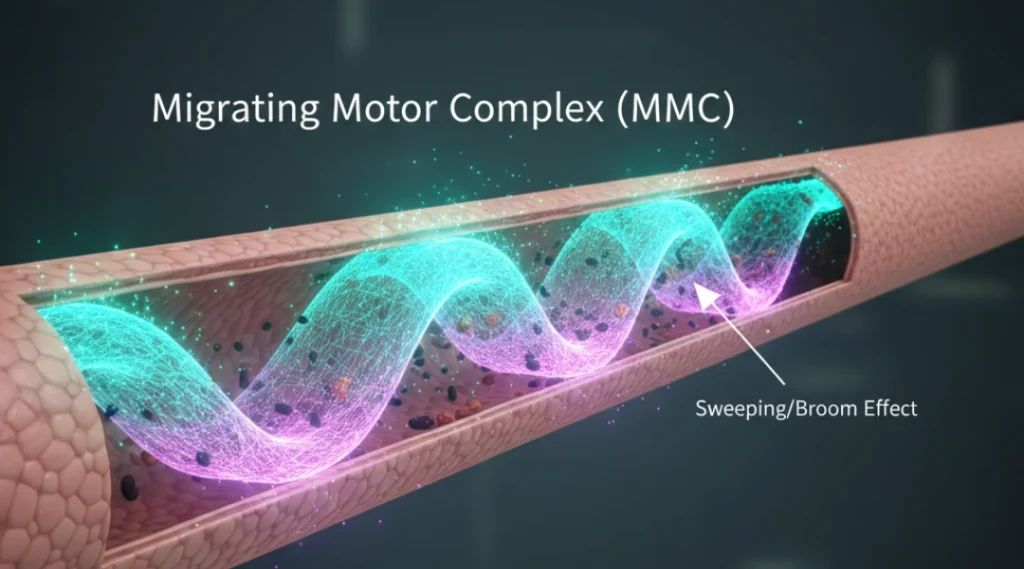
Your gut has an internal “cleaning system” called the Migrating Motor Complex (MMC). It only works when you’re fasting.
If you’re snacking all day long, this cleaning system never gets activated, leading to bloating and bacterial buildup.
Practical takeaway:
Follow at least a 12:12 eating schedule—meaning 12 hours of digestive rest overnight. This gives your gut time to clean itself properly.
Recovery Timeline
| Stage | Duration | What Happens | Focus |
|---|---|---|---|
| Calming | 1–14 days | Reduce inflammation and calm the system | Bone broth, zinc, gentle vegetables |
| Diversification | 3–8 weeks | Introduce bacterial diversity (CAG-170 support) | 30-plant rule, gradual fiber increase |
| Stabilization | 3+ months | Build a strong, resilient system | Exercise, nature exposure |
How Do You Know It’s Working?
- Regular, easy digestion
- Less brain fog
- Ability to occasionally eat “junk food” without being destroyed for 24 hours
Final Warning
If you notice blood in your stool or unexplained weight loss, stop everything and see a real doctor immediately. This is about optimization and improvement—not dealing with serious medical conditions.
Your Weekly Checklist
- Did I eat 30 different plant types this week?
- Did I give my gut at least 12 hours of rest each night?
- Did I eat dark-colored plant foods (berries, cocoa) to support my gut ecosystem?