
The 2026 Restoration Framework: Nurturing Functional Redundancy and the CAG-170 Cluster
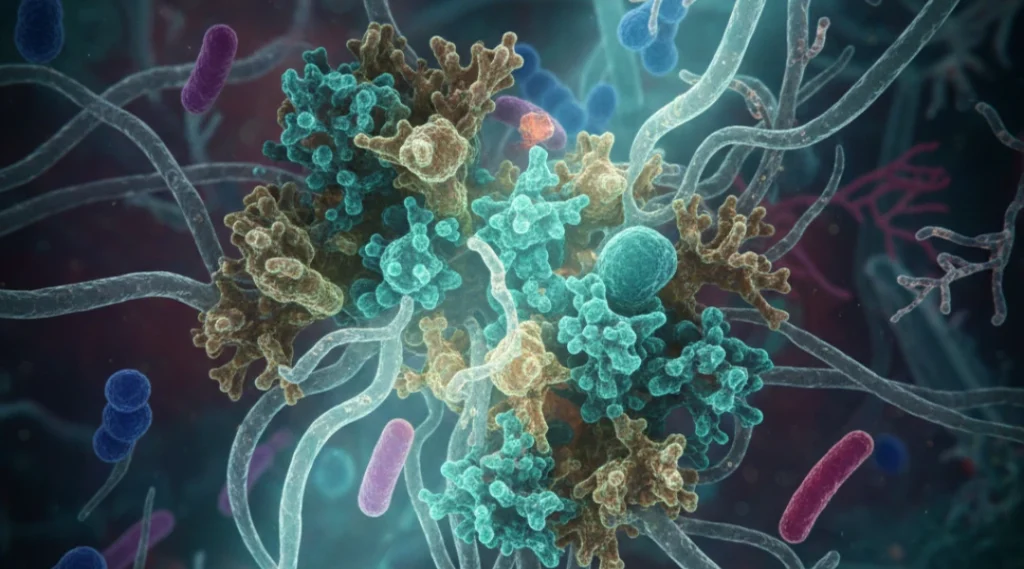
In the wellness landscape of 2026, the concept of “fixing gut health” has undergone a radical transformation. Gone are the days of “cleanses,” “detoxes,” and the search for a single “magic bullet” probiotic. Today, researchers at institutions like the University of Cambridge have provided us with a more sophisticated map of the internal landscape.
We now understand that “fixing” your gut isn’t about achieving a static balance or killing off “bad” bacteria. Instead, it is about Microbial Stabilization and the cultivation of Functional Redundancy. This means building an internal ecosystem so diverse and resilient that if one microbial “worker” fails, ten others are ready to step in and keep the system running.
At the heart of this 2026 shift is the discovery of the CAG-170 cluster—a newly identified group of “caretaker” bacteria that act as the backbone of a healthy human gut. Fixing your gut health today means creating the chemical and physical environment where these native species can thrive.
Mandatory Safety Note: Significant digestive shifts should always be evaluated by a healthcare professional. This framework is intended for general wellness and biological optimization, not as a treatment for diagnosed gastrointestinal diseases such as IBD, SIBO, or clinical infections. If you are experiencing severe pain, blood in stool, or unexplained weight loss, consult a gastroenterologist immediately.
The 2026 North Star: Functional Redundancy & CAG-170
To “fix” your gut, you must first understand what a healthy one looks like. In early 2026, a landmark study published in Cell Host & Microbe identified the CAG-170 bacterial cluster as a primary biomarker of microbial resilience.
What is CAG-170?
Unlike well-known bacteria like Lactobacillus, CAG-170 is part of the “Hidden Microbiome”—a group of microbes that cannot yet be grown in a lab or bought in a pill.
- The Caretaker Role: CAG-170 species are essential because they produce Vitamin B12 and other “cross-feeding” metabolites that feed dozens of other beneficial bacterial species.
- The Stability Marker: When CAG-170 is present and thriving, the gut displays high Functional Redundancy.
The City Infrastructure Analogy
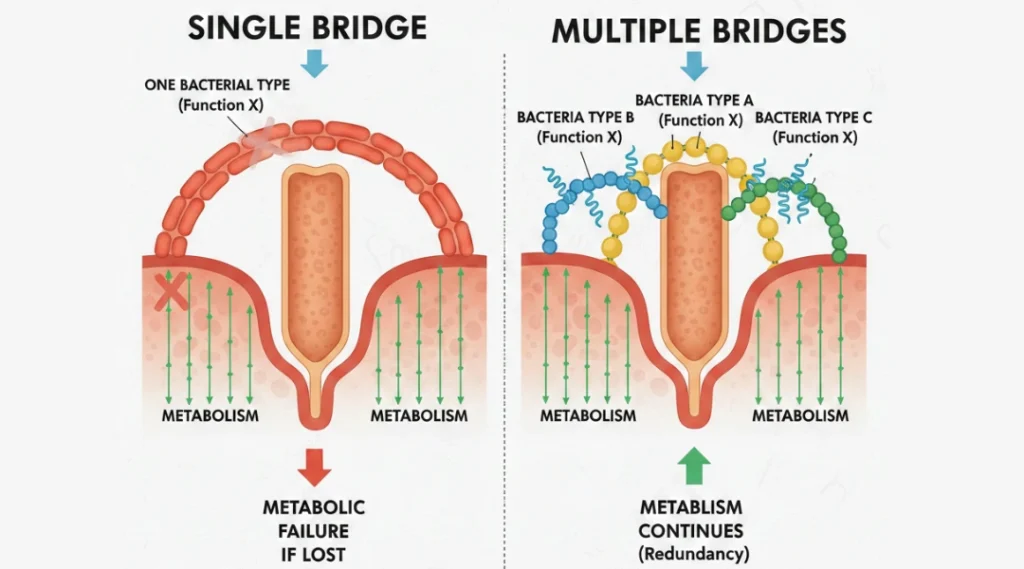
Think of your gut as a major city’s infrastructure. In an “unfixed” gut, there is only one bridge leading into the city. If that bridge (a specific bacterial species) is damaged by stress or antibiotics, the whole system collapses. A “fixed” gut has 50 bridges. Even if three go down, the traffic (your metabolism, immunity, and mood) continues to flow. This is functional redundancy.
Pillar I: Substrate – Feeding Keystone Species
The first step in fixing your gut is changing the “soil” or the Substrate. You cannot “starve” the bad bugs out; you must “crowd them out” by feeding the winners.
The 30-Plant Rule 2.0
The 2026 gold standard for substrate diversity is the 30-Plant Rule. However, for those experiencing “digestive friction” (bloating and gas), the approach must be strategic.
- The Precision Pivot: It’s not just about fiber volume; it’s about color diversity. Different polyphenols (the pigments in plants) act as specific growth factors for the CAG-170 cluster.
- Fibermaxxing for Beginners: If your gut is currently sensitive, don’t jump to 50g of fiber overnight. Start with “low-fermentation” plants (like carrots, zucchini, and blueberries) before moving into high-fermentation “prebiotic superstars” like leeks and lentils.
Changing the Redox Potential
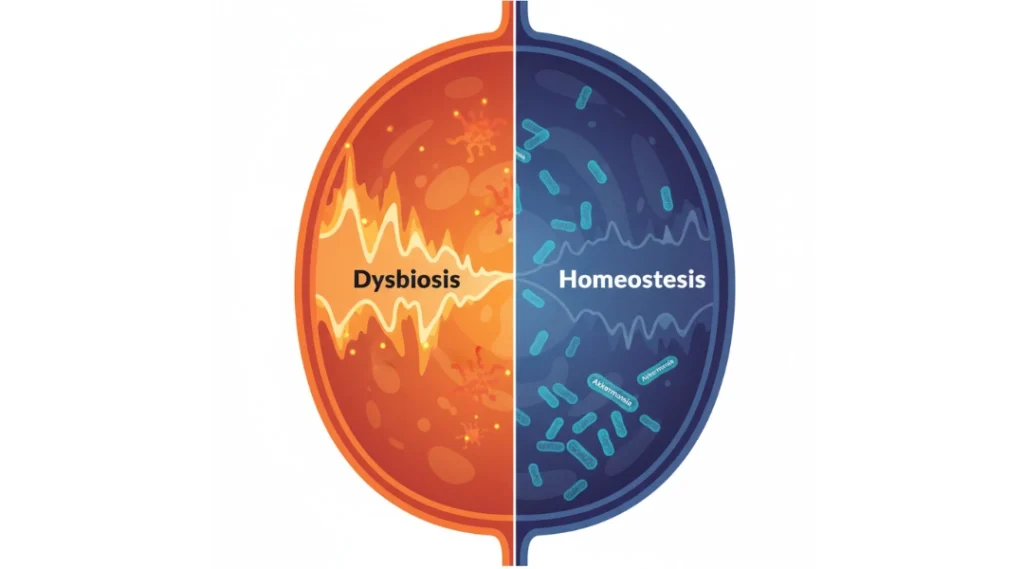
“Fixing” the gut requires changing its chemical environment. An unhealthy gut is often too “oxidized” (high oxygen), which allows opportunistic bacteria to bloom.
- The Fix: Consuming resistant starches (cooked and cooled potatoes or rice) and butyrate-producing fibers (oats and seeds) helps return the gut to an oxygen-poor state, which is the only environment where keystone species like Akkermansia can survive.
Pillar II: Structure – Repairing the Intestinal Barrier
You cannot have a stable ecosystem if the “house” it lives in is leaking. Barrier Integrity is the physical foundation of gut health.
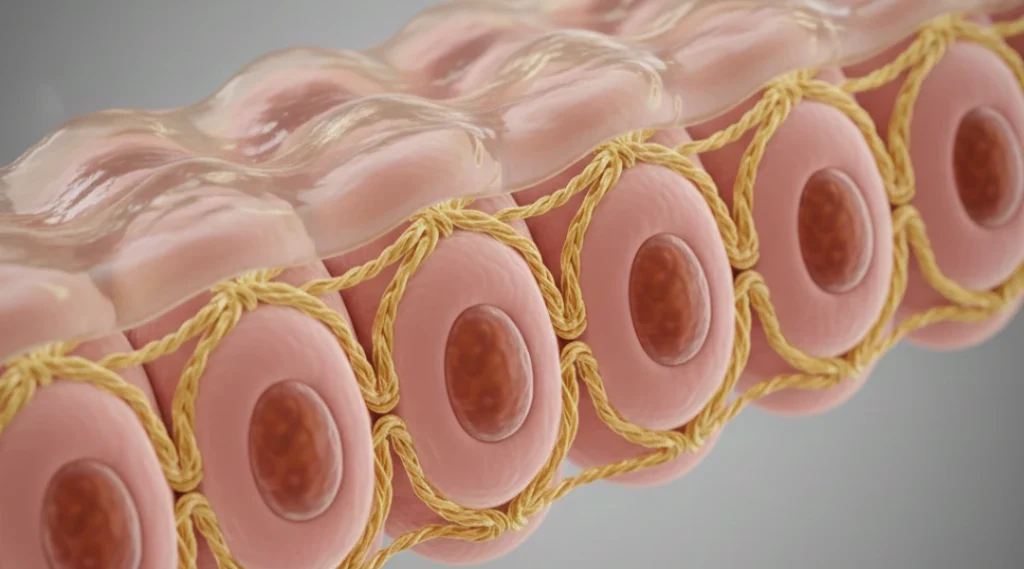
The Mucin Layer & Tight Junctions
The gut barrier consists of a physical layer of cells held together by “tight junctions” and a protective layer of mucus (mucin). When this is compromised, it leads to systemic inflammation and “endotoxemia”—where microbial byproducts leak into the bloodstream.
Nutrients for Structural Repair
In 2026, we focus on specific “structural” nutrients that provide the raw materials for repair:
- Zinc Carnosine: Unlike standard zinc, the carnosine bond allows the mineral to stay in the gut longer, directly supporting the repair of the stomach and intestinal lining.
- L-Glutamine: An amino acid that acts as the primary fuel for the cells (enterocytes) that make up your gut wall.
- Polyphenols (Quercetin & Anthocyanins): Found in red onions and dark berries, these help stabilize the “gates” (tight junctions) between cells.
Pillar III: Signals – The Gut-Brain Axis and Circadian Rhythms
The final pillar of the 2026 Restoration Framework is Signals. Your gut bacteria are not just passive passengers; they follow a strict internal clock.
Circadian Fasting
One of the fastest ways to stabilize an “off” gut is to respect its Circadian Rhythm.
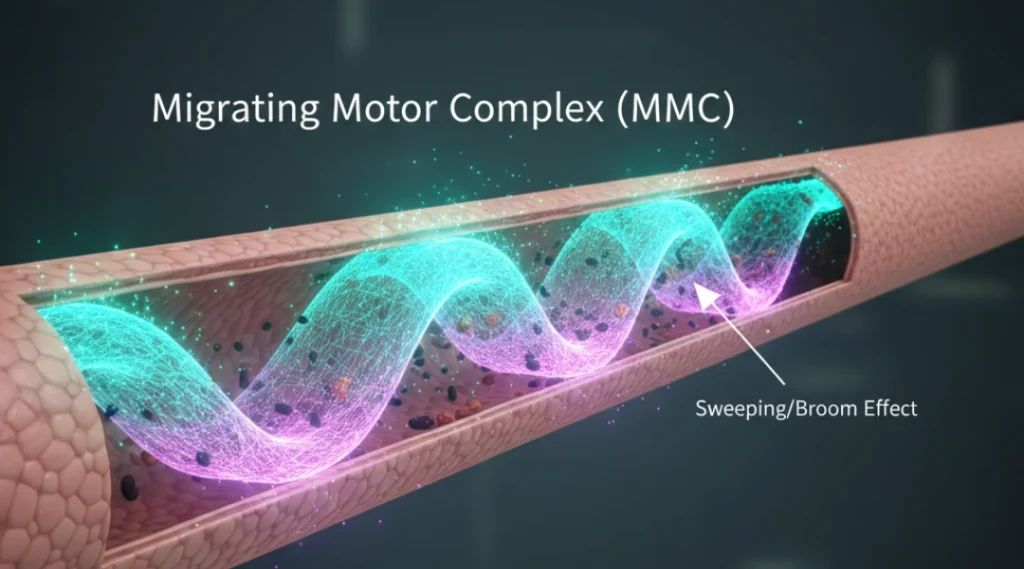
- The Migrating Motor Complex (MMC): This is the gut’s “internal broom.” It only activates when you are not eating. If you graze all day, the broom never sweeps, leading to bacterial overgrowth and bloating.
- The 12:12 Protocol: At a minimum, aim for a 12-hour window of digestive rest overnight. This sends a signal to the microbiome to begin “housekeeping” tasks and mucus production.
Sleep Deprivation and Healing Speed
Research has shown that even one night of poor sleep can shift the microbiome toward a less diverse, more “inflammatory” profile. “Fixing” your gut health is nearly impossible if you are chronically sleep-deprived, as sleep is when the body allocates the most energy to structural tissue repair.
The Restoration Timeline: Phases of Gut Health Recovery
Fixing a microbiome is a biological process, not a mechanical one. It takes time for the “soil” to change and the “residents” to move back in.
| Phase | Timeline | What’s Happening | Focus |
| The Soothing Phase | Days 1–14 | Reducing acute inflammation and “calming” the nerves. | Low-FODMAP plants, Zinc, Bone broth. |
| The Diversification Phase | Weeks 3–8 | Introducing new “substrates” to invite CAG-170 species. | 30-Plant Rule, gradual fiber increase. |
| The Stabilization Phase | Month 3+ | Building functional redundancy and resilience. | High-intensity exercise, nature exposure. |
First Signs of Improvement
How do you know it’s working?
- The “Poop” Gold Standard: Predictable, easy-to-pass daily habits.
- Mental Clarity: A reduction in “brain fog” as systemic inflammation drops.
- Resilience: You can eat a “challenge food” (like a slice of pizza or a heavy lentil soup) without experiencing 24 hours of bloating.
The “Probiotic Paradox”: A 2026 Warning
In the quest to “fix” gut health, many people reach for high-dose probiotics. However, 2026 clinical insights suggest a “Probiotic Paradox.”
- Transient Tourists: Most probiotics are “tourists”—they pass through and send signals, but they don’t stay.
- The Risk of Overcrowding: If you are in an acute flare-up, adding 100 billion new bacteria can sometimes increase “digestive friction.”
- The 2026 Strategy: Focus on Prebiotics (fuel) first to wake up the “locals” (your native species like CAG-170) before bringing in the “tourists” (probiotics).
Summary: Moving Toward Proactive Resilience
“Fixing” gut health in 2026 is no longer a reactive response to a bad weekend of eating. It is a proactive commitment to Ecological Stewardship.
By focusing on the three pillars—Substrate (feeding the keystone species), Structure (repairing the barrier), and Signals (respecting circadian rhythms)—you create a system characterized by Functional Redundancy. You aren’t building a “perfect” gut; you are building a resilient one that can handle the stressors of modern life.
Your 2026 Gut Health Checklist:
- [ ] Substrate: Am I hitting 30 different plants this week?
- [ ] Structure: Am I providing the zinc and glutamine my lining needs to stay “tight”?
- [ ] Signals: Am I giving my gut at least 12 hours of rest overnight?
- [ ] The “Cambridge” Factor: Am I eating the dark pigments (berries, kale, cocoa) that the CAG-170 caretaker cluster needs to produce my B12?