
The 2026 Diversity Plate: Supporting Microbiome Resilience Through Food Ecology
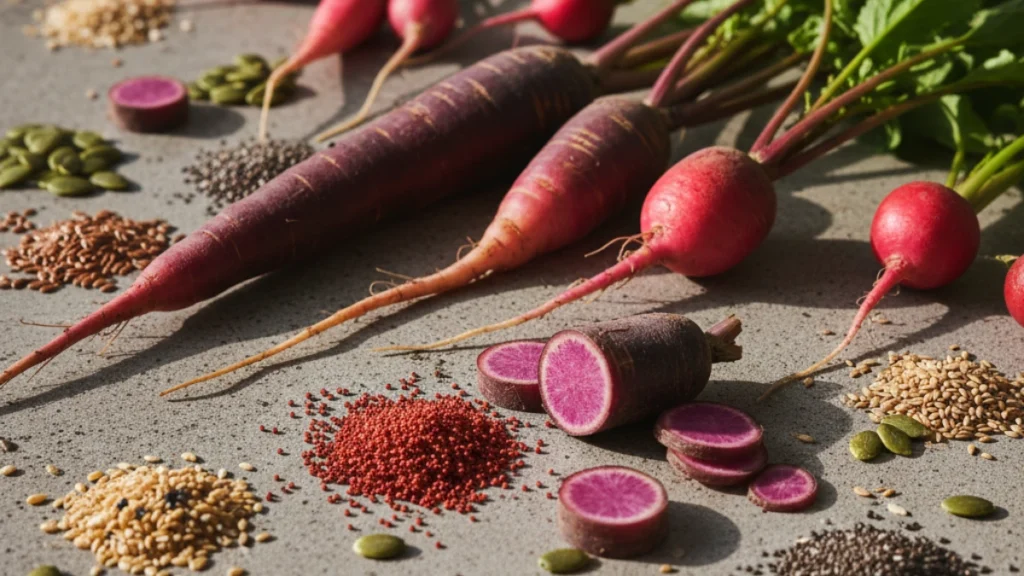
In 2026, the global conversation around nutrition has moved beyond the simplistic “superfood” narrative. We now view our daily meals through the lens of Nutritional Ecology—the strategic management of the trillions of microorganisms that constitute our internal ecosystem.
Supporting a healthy gut microbiome is no longer about finding a “magic pill” or a single miracle ingredient. Instead, it is about fostering a resilient, biodiverse environment. By shifting from clinical intervention to a food-first approach, we can provide our microbial residents with the complex substrates they need to thrive.
1. The Foundation: Dietary Diversity and the “30 Plants” Framework
The most robust indicator of a resilient microbiome is microbial diversity. Groundbreaking data from the American Gut Project (McDonald et al., 2018) established that individuals who consume more than 30 different plant types per week harbor significantly more diverse microbiomes than those who eat fewer than ten.
The Mechanism of Variety
Each bacterial species has evolved to thrive on specific types of chemical compounds. By providing a wide variety of plants, you are essentially opening diverse “buffets” for different microbial families. For example, complex plant fibers support specialized bacteria like Faecalibacterium prausnitzii, a key producer of anti-inflammatory metabolites.
2. Prebiotics: The Fuel for Beneficial Residents
If your microbiome is an internal garden, prebiotics are the fertilizer. These are non-digestible food components that pass through the upper digestive tract to become “food” for the beneficial bacteria residing in the large intestine.
Resistant Starch and Butyrate Production
One of the most vital biochemical processes in the gut is the conversion of resistant starch into Short-Chain Fatty Acids (SCFAs).
- The Process: Unlike regular starch, resistant starch “resists” enzymes in the small intestine. When it reaches the large intestine, microbes ferment it into butyrate.
- The Benefit: Butyrate serves as the primary energy source for the cells lining your colon (colonocytes), supporting the integrity of the intestinal barrier.
- Sources: Green (unripe) bananas, legumes, and cooked-then-cooled potatoes or rice.
3. Natural Probiotics: Introducing Live Cultures
While prebiotics feed the existing inhabitants, probiotic foods introduce live cultures that interact with our immune system and indigenous microbes as they transit the gut.
Kefir vs. Yogurt: A Diversity Comparison
While both are pillars of a microbiome-friendly diet, they offer different ecological benefits:
- Kefir: Often contains a much broader array of bacterial strains and yeasts (up to 30+ types). It is a powerhouse of microbial diversity.
- Yogurt: While typically containing fewer strains (primarily Lactobacillus), it remains an excellent, accessible source of protein and beneficial cultures that support a healthy gut environment.
Fermented Staples
Incorporating small amounts of Sauerkraut, Kimchi, Miso, or Tempeh adds organic acids and enzymes to the digestive process, facilitating better nutrient breakdown and microbial interaction.
4. “Fibermaxxing” and Emerging Microbial Markers
The 2026 wellness movement known as “Fibermaxxing” focuses on maximizing the intake of complex carbohydrates to influence metabolic wellness.
The Context of CAG-170
Recent longitudinal studies from 2025/2026 have highlighted specific microbial signatures, such as CAG-170 bacteria, as an associated marker of metabolic health. Emerging evidence suggests that diets high in ancient grains (like Teff, Amaranth, and Farro) provide the specific fiber profiles that correlate with these beneficial strains. It is important to view these markers as indicators of a high-quality, diverse diet rather than a standalone therapeutic goal.
5. Optimization: The “Swap This for That” Table
Improving your “Diversity Score” does not require a complete dietary overhaul. It is about making smarter ecological choices during your regular grocery trips.
| Instead of… | Try Swapping for… | Ecological Benefit |
| White Rice | Farro or Black Rice | Higher polyphenol and resistant starch content. |
| Croutons | Toasted Pumpkin Seeds | Adds diverse plant proteins and zinc. |
| Sugary Soda | Kombucha or Water Kefir | Replaces sugar with organic acids and live cultures. |
| Iceberg Lettuce | Mixed Bitter Greens (Radicchio) | Increases “bitter” compounds that support digestion. |
| White Flour Pasta | Chickpea or Lentil Pasta | Significant boost in prebiotic fiber and protein. |
6. Implementation Strategy: The “Low and Slow” Rule
While microbial changes can be detected in the gut within 24 to 48 hours of a dietary shift, the body requires time to adjust to increased fiber levels.
- Start Slow: Gradually increase your fiber intake to avoid temporary bloating or gas.
- The Water Connection: Increasing fiber without a simultaneous increase in water intake may lead to counterproductive results, such as constipation. Water is the essential engine that allows fiber to move smoothly through the digestive tract.
- SIBO Awareness: For individuals with Small Intestinal Bacterial Overgrowth (SIBO), rapid increases in prebiotic fibers can exacerbate symptoms. This sensitive group should approach “fibermaxxing” with extreme caution and professional guidance.
7. The Role of Polyphenols and Hydration
Polyphenols (the pigments in colorful plants) and hydration are the silent partners of a healthy microbiome.
- Polyphenols: Found in berries, dark chocolate, and green tea, these compounds are “prebiotic-like,” supporting a diverse microbial environment.
- Hydration: The protective mucus layer of the gut is nearly 95% water. Proper hydration ensures this “home” for your microbes remains thick and resilient.
8. Summary: Managing Your Internal Ecosystem
The “Diversity Plate” is not a temporary diet; it is a long-term strategy for biological resilience. By focusing on 30+ plants per week, prioritizing resistant starches, and introducing fermented foods, you are actively managing your internal ecology for better overall health.
Key Takeaways for 2026:
- Variety Over Everything: The number of different plants matters more than the quantity of a single “superfood.”
- Fiber and Water: They must go hand-in-hand; water is the driver of fiber transit.
- Consistency: While microbes react quickly (24–48 hours), long-term stability takes weeks of consistent habits.
Mandatory Safety & Medical Disclaimer
This content is for educational and informational purposes only and does not constitute medical advice, diagnosis, or treatment. Every individual’s nutritional needs and microbial makeup are unique. Increasing fiber intake should be done gradually. Consult a healthcare professional, registered dietitian, or gastroenterologist before making significant dietary changes, especially if you have an underlying medical condition such as IBS, IBD, or SIBO. Persistent symptoms like chronic bloating or pain should always be evaluated by a medical professional.