
The Ecology of Wellness: Understanding the Healthy Gut Microbiome

The human body is not a solitary entity; it is a complex, thriving ecosystem. At the heart of this internal world lies the healthy gut microbiome, a vast community of trillions of microorganisms—including bacteria, fungi, viruses, and archaea—residing primarily in the large intestine.
Often referred to by scientists as a “forgotten organ,” this microbial landscape plays a fundamental role in human biology. Understanding how this ecosystem functions is the first step toward appreciating the intricate balance that supports our general well-being, though it is important to note that researchers have yet to define a single, universal “ideal” microbiome.
1. Defining the Healthy Gut Microbiome: A Living Ecosystem
To understand a healthy gut microbiome, it is helpful to use the analogy of a botanical garden. In a garden, health is not defined by a single plant, but by the diversity of species, the quality of the soil, and the resilience of the environment against external stressors.
The Components of the Microbiome
The gut is home to a diverse array of life forms, most notably commensal bacteria. These are “friendly” microbes that live in symbiosis with the human host. In a balanced state, these microbes coexist, contributing to metabolic processes that the human body cannot perform on its own.
The Concept of Diversity and Resilience
In microbial ecology, two metrics are frequently used to describe a healthy state:
- Species Richness: The total number of different species present.
- Species Evenness: How equally distributed these species are.
Research, such as the findings from the American Gut Project, consistently suggests that high microbial diversity is a hallmark of a resilient gut. A diverse ecosystem is more likely to contain species that can perform essential functions, even if some members of the community are disrupted. However, because the microbiome is highly individualized, “healthy” remains a functional description rather than a fixed bacterial count.
2. Key Mechanisms: How the Microbiome Works
The microbiome interacts with the food we eat and the cells of our intestinal lining to produce compounds that influence biological pathways.
Fermentation and Short-Chain Fatty Acids (SCFAs)
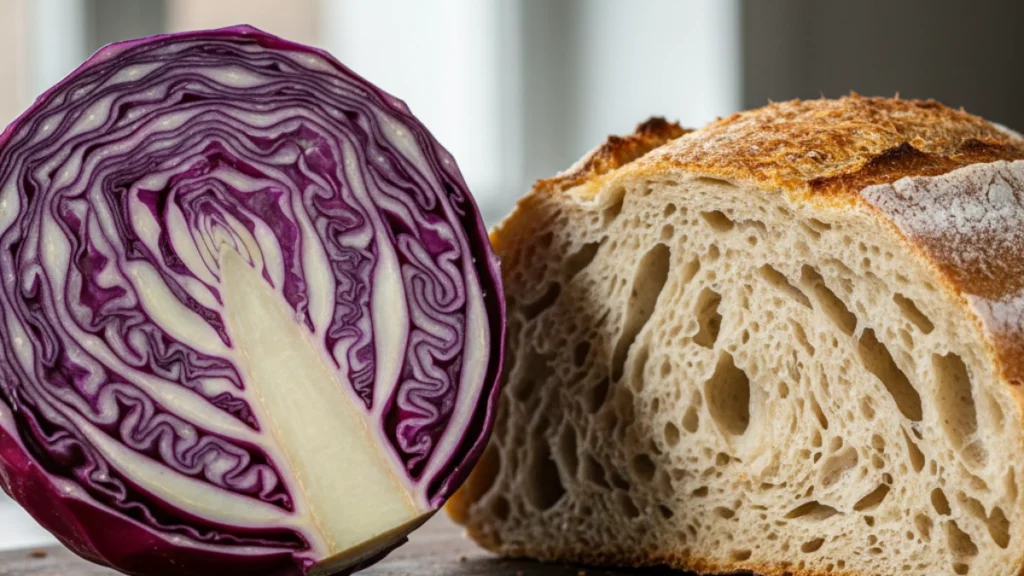
One of the most critical functions of gut bacteria is the fermentation of non-digestible carbohydrates (fiber). As a byproduct of this fermentation, bacteria produce Short-Chain Fatty Acids (SCFAs), such as butyrate, acetate, and propionate.
- Energy Source: Scientific reviews indicate that butyrate serves as the primary energy source for colonocytes (the cells lining the colon), supporting their cellular health.
- pH Balance: SCFAs help maintain a slightly acidic environment, which supports the growth of beneficial species.
Supporting the Intestinal Barrier
The gut lining acts as a gatekeeper. A healthy microbiome contributes to supporting the intestinal barrier function, which may help regulate the passage of substances. Rather than acting as an absolute “wall,” this ecosystem assists in maintaining barrier integrity, which may reduce the permeability of unwanted molecules into the bloodstream.
3. The Interconnected Body: Biological Pathways
The influence of the gut microbiome extends to several major systems through complex communication networks.
The Gut-Brain Axis
The gut-brain axis is a bidirectional communication pathway involving the nervous, endocrine, and immune systems. The vagus nerve serves as a primary signaling route between the gut and the brain.
- Signaling: Microbes produce metabolites that may send signals to the brain. Recent systematic reviews suggest these pathways play a role in how the body responds to environmental factors and stress.
- Neurotransmitter Precursors: Gut microbes are involved in synthesizing precursors for molecules like serotonin, further highlighting the gut-brain connection.
Immune Resilience
A significant portion of the immune system is located in the Gut-Associated Lymphoid Tissue (GALT). The microbiome helps “train” the immune system, supporting a balanced response to external challenges. This is often described as immune resilience, where the body maintains a measured response to its environment.
4. Supporting a Diverse Microbiome: Lifestyle Factors
While no specific protocol can guarantee a “perfect” microbiome, certain habits are associated with higher microbial diversity.
Prebiotics and Probiotics
- Prebiotics: These are specialized plant fibers that act as “fertilizer.” They may help stimulate the growth of beneficial bacteria already present in the system.
- Probiotics: Found in fermented foods (like yogurt or kimchi), these live microorganisms may provide a temporary addition to the microbial community, though they do not always permanently colonize the gut.
Diversity in Diet and Lifestyle

- Plant Diversity: Evidence suggests that consuming a wide variety of plants (aiming for 30+ types per week) is strongly linked to increased microbial richness.
- Physical Activity: Regular exercise is associated with an increase in the variety of beneficial bacteria, though the exact causal mechanisms are still being explored.
- Sleep and Stress: Emerging research suggests that regular sleep patterns and stress management may support microbial balance, as microbes appear to follow their own circadian rhythms.
5. Understanding Dysbiosis: A Shift in Balance
When the microbial ecosystem loses its diversity or experiences an overgrowth of certain species, it is referred to as dysbiosis. This is a biological state of imbalance rather than a specific clinical diagnosis. Factors associated with this shift include:
- Diets high in ultra-processed foods and low in fiber.
- Significant chronic stress.
- Environmental factors and certain medications.
6. Summary: The Foundation of Microbial Health

The study of the healthy gut microbiome is a rapidly evolving field. While we lack a “one-size-fits-all” definition of a healthy gut, the current consensus emphasizes diversity, resilience, and balance.
| Feature | Healthy Microbiome Association | Dysbiosis (Imbalance) |
| Diversity | High species richness | Lower species richness |
| Metabolites | Robust SCFA production | Reduced SCFA levels |
| Resilience | High capacity to recover | Vulnerable to disruption |
| Barrier Support | May support lower permeability | May show increased permeability |
Educational Disclaimer
This article is for informational and educational purposes only and does not constitute medical advice, diagnosis, or treatment. The information provided focuses on general biological mechanisms. If you have concerns about your digestive health, please consult a qualified healthcare professional. There is no single “perfect” microbiome; health is highly individualized.
Scientific References
- McDonald, D., et al. (2018). “American Gut: an Open Platform for Citizen Science Microbiome Research.”
- Fu, X., et al. (2019). “The Role of Short-Chain Fatty Acids in Human Health.”
- Cryan, J. F., et al. (2019). “The Microbiota-Gut-Brain Axis.”
- Mayer, E. A., et al. (2015). “Gut Microbes and the Brain: Paradigm Shift in Neuroscience.”
- Clemente, J. C., et al. (2012). “The Impact of the Gut Microbiota on Human Health: An Integrative View.”
- Valdes, A. M., et al. (2018). “Role of the Gut Microbiota in Nutrition and Health.”